reputable extended auto warranty companies worth a closer look
I'm skeptical by habit, yet I still believe protection can make sense - if the company behind it behaves predictably and the numbers add up. The trick is sorting the truly reputable from the merely loud.
What "reputable" looks like in practice
Clear coverage language: Parts are named, exclusions spelled out, and there's no maze of footnotes.
Direct pay to shops: Fewer reimbursement hoops, faster repairs, less cash tied up.
Shop flexibility: Any licensed repair facility, including your trusted independent mechanic.
Stable administrator and underwriter: The company actually adjudicating claims is financially solid and easy to reach.
Measured sales process: No pressure, transparent pricing, time to read the contract before paying.
Real claim support: Dedicated adjusters, clear steps, reasonable documentation - not a scavenger hunt.
Finding value without overbuying
I don't want to pay for drama I'll never have. I want the plan to cover the pricey stuff that would rattle my budget.
Match term to risk: If your vehicle's known weak points hit around 90 - 120k miles, choose coverage that spans that window - not forever, not two months short.
Prioritize systems that wreck a week's pay: Engine, transmission, hybrid battery, high-voltage components, advanced driver-assistance sensors. Cosmetic trim can wait.
Mind the deductible style: Per-visit deductibles usually beat per-component when multiple parts fail at once.
Do a quick break-even: Premium + deductible + likely maintenance exclusions versus the cost of one big failure. If the gap's thin, I keep the cash cushion instead.
Coverage tiers decoded (brief and plain)
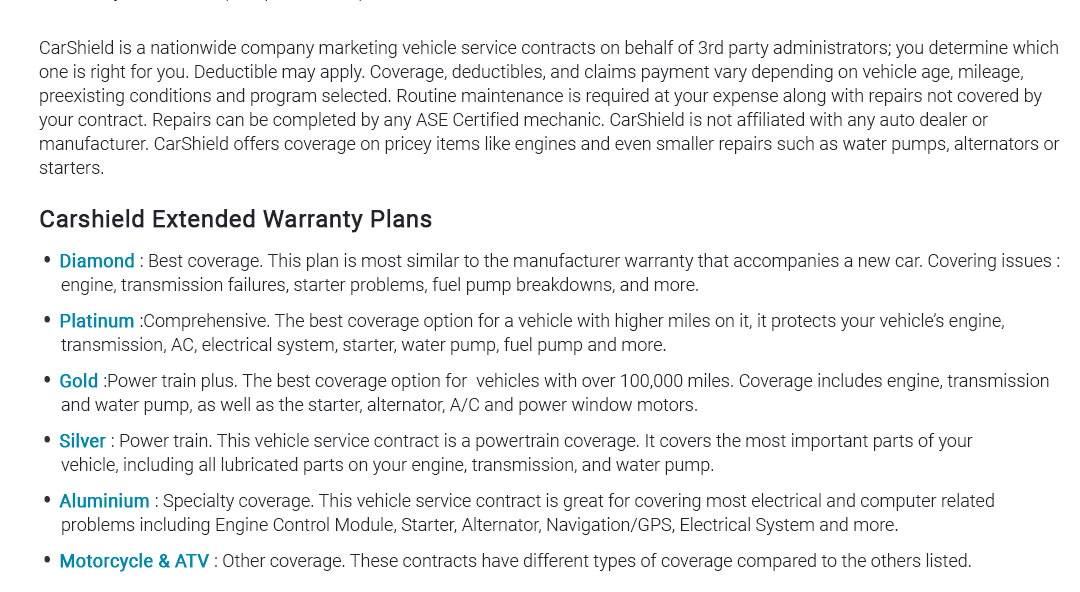
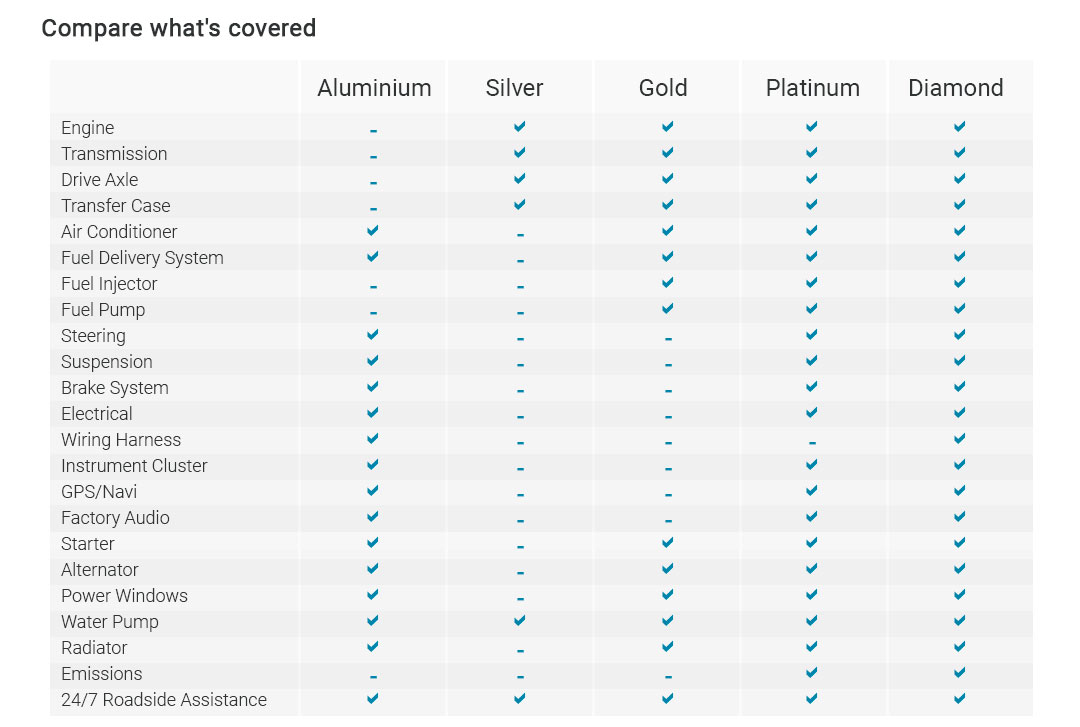
Exclusionary ("bumper-to-bumper" in marketing): Everything covered except listed exclusions. Easiest to understand, often pricier.
Stated-component: Only listed parts are covered. Read line by line; a single missing item can matter.
Powertrain-only: Cheapest, narrowest; good if the vehicle's other systems are reliable and repairs are affordable.
Claims experience: where reputations are earned
My quiet test: how fast the first repair gets authorized - and whether the second and third go just as smoothly. I want to believe the brochure, but I also wonder what happens on the fourth claim in a year.
Real-world moment: a dashboard light popped on during a rainy commute, I pulled into a familiar shop, and called the warranty number. The rep looped in the service writer, requested a quick diagnosis, then approved an ignition coil and harness under stated coverage. Towing came out of roadside benefits; the rental cap covered only one day, which was fine - but it reminded me benefits have limits.
Red flags that nudge me to walk away
Vague sample contracts: If they won't show the real agreement up front, I'm out.
"Act now" discounts that never end: Pressure sells confusion.
Claims only via snail mail or odd hours: You'll need help when the car fails, not when the office opens next Tuesday.
Maintenance gotchas: Requirements that are stricter than the owner's manual, designed to deny claims.
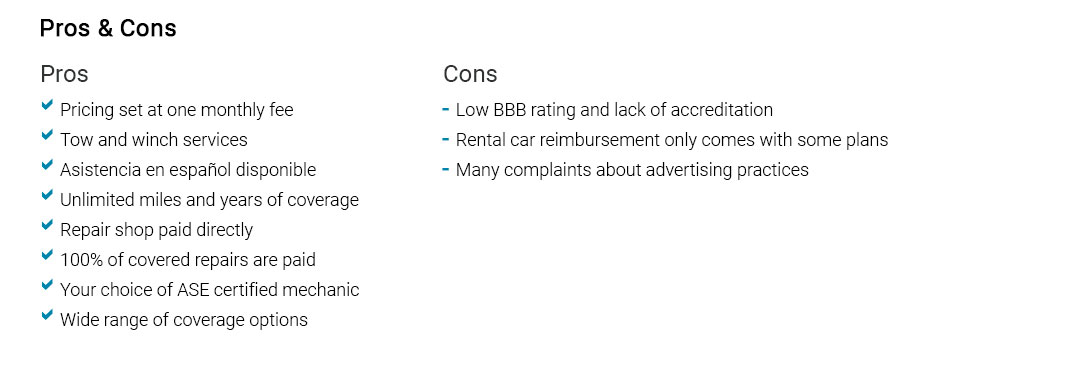
Reimbursement-only at inflated "book rates": You pay first, then wait - sometimes not worth the stress.
Questions I actually ask before buying
Can I see the full contract for my VIN and mileage - today?
Who is the administrator and who is the obligor/underwriter? Are they rated and solvent?
Is the plan transferable or cancellable, and what are the fees and refund formula?
How do you handle diagnostic time and taxes? Any caps on labor rate?
What's excluded for wear-and-tear, pre-existing, or modified vehicles?
Does roadside cover flatbeds for AWD/EV and how many miles?
Soft-doubt, honestly
Even with a good company, a shop may refuse third-party work, a part may be "adjacent" and not covered, or a rental allowance might run out. None of this ruins the experience - but pretending it never happens sets the wrong expectations.
Who tends to benefit
Owners of complex vehicles (turbo, luxury electronics, hybrid/EV systems) who plan to keep the car past factory coverage.
Drivers without a repair fund who'd rather smooth a rare $3,000 surprise into predictable payments.
High-mile commuters who can't afford downtime and value roadside plus rental support.
Who might skip it
DIY-capable owners with a healthy emergency fund.
Low-complexity vehicles with strong reliability and inexpensive parts.
Simple, low-drama selection path
List 3 - 4 candidates that sell in your state and service your chosen shop.
Read the exact contract, not a brochure, then highlight exclusions that touch known issues for your model.
Call your shop: "Do you work with these administrators? Any headaches?"
Compare total cost, deductible type, labor-rate caps, and claim hours. Pick clarity over tiny price differences.
I stay skeptical, but fair: the right plan from a reputable company can turn a roadside headache into a solvable chore - and sometimes that calm is the best value on the page.
https://novawarranty.com/
Other warranty companies offer discounts, but we offer the best car warranty quotes with top rated coverage. At Nova Warranty, we understand the unique needs of ...
https://www.youtube.com/watch?v=ZM7lnikTkVY
Welcome to @BuckleysAutoCare Many of you have been asking "What's the best company out there for car warranties. Well, there is one in ...